
September 9, 2025

Policy Briefs

Climate Change and Migration: Policy Recommendations for Governments

Executive Summary Climate change is rapidly becoming a driver of human mobility. Rising sea levels, extreme weather events, droughts, and resource scarcity are forcing millions to leave their homes in search of safety and livelihoods. Unlike traditional forms of migration, climate-induced displacement often occurs gradually, blurring the line between voluntary and forced movement. This brief

Policy Briefs

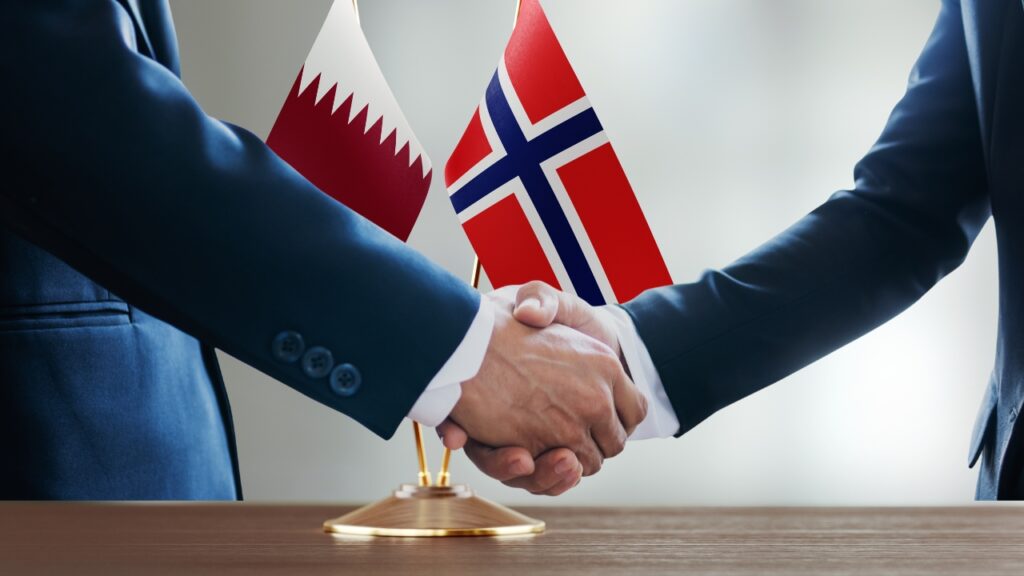
Harnessing Corporate Diplomacy: Guidelines for Responsible Business Advocacy

Executive Summary Corporations today operate in a world where business and politics are inseparable. Global supply chain shocks, climate change, trade disputes, and conflict have shown that companies are not passive economic actors but powerful political stakeholders. Increasingly, they are expected to engage in corporate diplomacy — influencing policies, shaping regulations, and contributing to peace

Policy Briefs

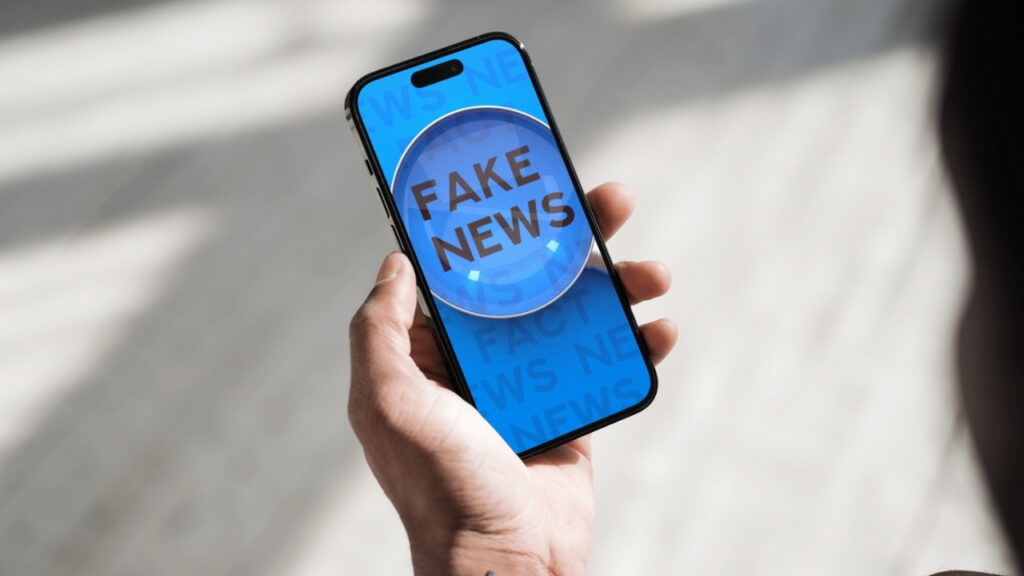
Countering Disinformation in Democracies: A Toolkit for Policymakers

Executive Summary Disinformation has become one of the most pressing threats to democratic governance. From election interference to polarisation during crises such as the COVID-19 pandemic and the Gaza war, democracies are increasingly vulnerable to manipulation through false or misleading information. The spread of disinformation undermines public trust, weakens institutions, and fuels division. This policy

Policy Briefs

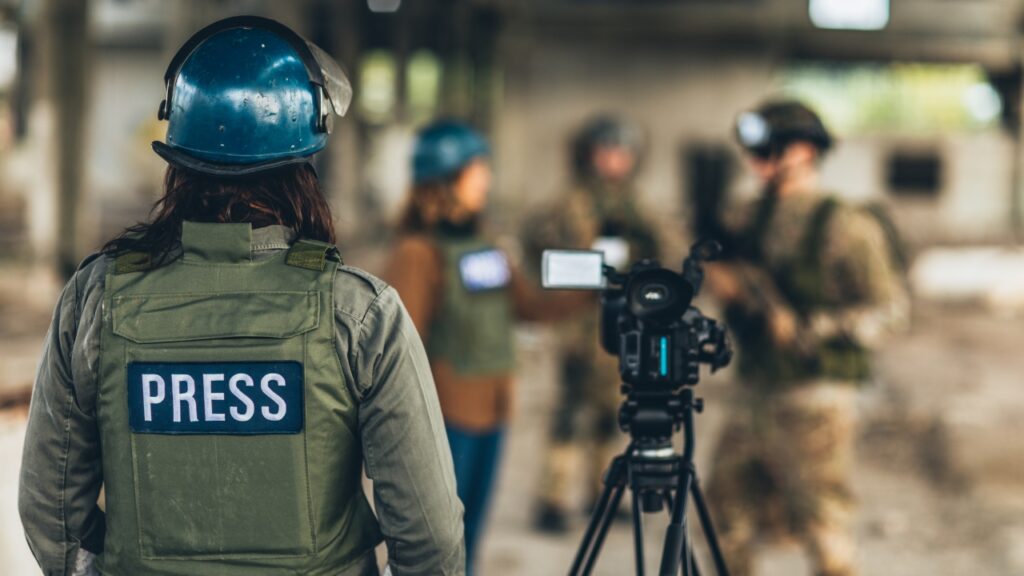
Protecting Journalists in War Zones: Policy Options for the EU and UN

Executive Summary Journalists in war zones are facing unprecedented risks. From Gaza to Ukraine, Myanmar to Sudan, reporters have become not only witnesses to conflict but deliberate targets. More than 500 journalists have been killed or injured worldwide since 2020, with Gaza alone becoming the deadliest conflict for the press in modern history. Despite existing

Reports

The Influence Economy: Mapping the Role of Global Social Media Figures

Executive Summary In the past decade, social media influencers have transformed from lifestyle trendsetters into global opinion leaders shaping politics, culture, and even international debates. Between 2020 and 2025, the role of influencers expanded beyond entertainment into activism, humanitarian campaigns, and political lobbying. This new “influence economy” is changing the way institutions — from governments

Reports

Global Supply Chains and Political Risk: A Five-Year Outlook

Executive Summary Between 2020 and 2025, global supply chains have faced unparalleled disruption. The COVID-19 pandemic, geopolitical conflicts, sanctions regimes, climate shocks, and technological rivalries have collectively reshaped how goods move across borders. Once considered invisible backbones of the global economy, supply chains are now recognised as a central arena of political risk. This report

Reports

Media Freedom Under Fire: Trends and Threats in Conflict Zones (2020–2025)

Executive Summary From 2020 to 2025, media freedom in conflict zones has come under unprecedented assault. Journalists have been killed in record numbers, imprisoned on spurious charges, and silenced through digital repression and disinformation campaigns. The Gaza war alone has become the deadliest conflict for reporters in modern history. This report identifies five defining global

Scroll to Top